

Waxing removes unwanted hair from the root, helping the skin feel smoother for longer than many surface-level hair removal methods. However, the way you care for your skin after waxing can be just as important as the waxing technique itself.
Freshly waxed skin may temporarily feel warm, sensitive, or slightly uncomfortable. Mild redness can also occur because the hair has been removed directly from the follicle. A simple waxing aftercare routine can help keep the treated area comfortable while avoiding habits that may create additional heat, friction, or irritation.
In this guide, we explain what to do immediately after waxing, how to remove wax residue gently, what to avoid during the first 24 to 48 hours, and how to care for the skin as the hair begins to grow back.
If you are still deciding which hair removal format suits your skin and routine, begin with our guide on how to choose the right hair removal method for your skin type.
Why Is Waxing Aftercare Important?
Waxing works by gripping the hair and removing it from the root. During the process, the skin is exposed to pressure, pulling, and—in the case of heated wax—temperature. This can leave the treated area temporarily more sensitive than usual.
Good aftercare is not about applying as many products as possible. It is about keeping the routine simple, reducing unnecessary heat and friction, removing residue correctly, and allowing the skin time to settle.
- Keep freshly waxed skin feeling comfortable.
- Reduce unnecessary heat and friction.
- Remove wax residue without aggressive rubbing.
- Maintain a simple and gentle skin care routine.
- Prepare the skin for the next stage of hair growth.
Professional Tip
Always follow the instructions supplied with the waxing product you use. Ready-to-use strips, roll-on wax, and hard wax systems have different application methods, temperature requirements, and precautions.
What to Do Immediately After Waxing
The first few hours after waxing should focus on comfort and simplicity. Avoid turning the aftercare stage into a complicated multi-product routine.
1. Remove Wax Residue Gently
If residue remains on the skin, remove it using the method recommended in the product instructions. Do not scrub the treated area or attempt to remove sticky residue by repeatedly rubbing the skin.
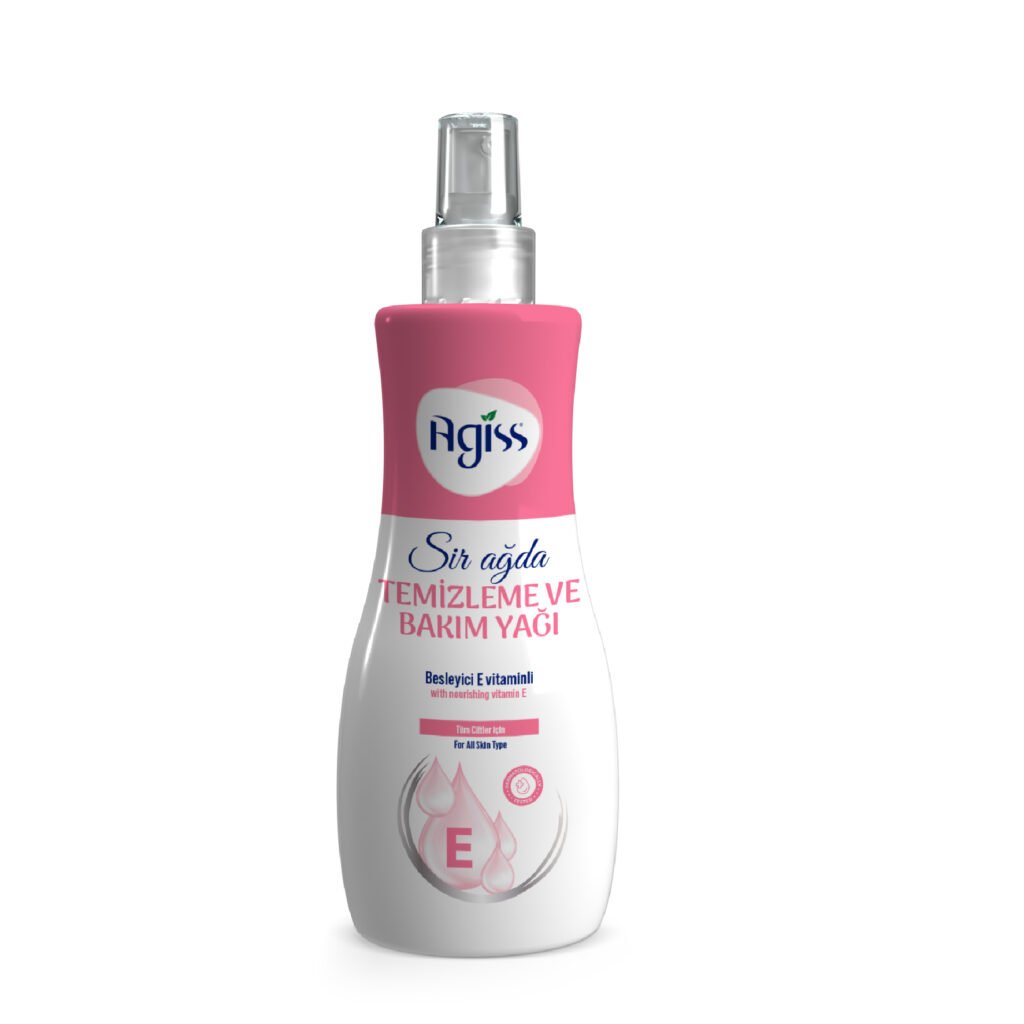
AGISS Wax Cleaning and Care Oil is designed to help remove wax residue after a waxing session. The formula is presented with nourishing vitamin E and is suitable for all skin types according to the product packaging. Apply it only as directed on the label and avoid using more than necessary.
2. Use a Cool Compress When Needed
If the area feels warm or uncomfortable, place a clean, cool compress over the skin for a short period. Avoid placing ice directly on freshly waxed skin. The compress should feel comfortably cool rather than extremely cold.
3. Keep Your Hands Away from the Area
Repeatedly touching freshly waxed skin can introduce impurities and create additional friction. Once the treatment is complete and residue has been removed, give the area time to settle.
4. Wear Loose, Comfortable Clothing
If you waxed your legs, underarms, bikini line, or another area covered by clothing, choose loose-fitting garments when possible. Tight clothing can rub against freshly waxed skin and make temporary sensitivity more noticeable.
What Should You Avoid After Waxing?
Waxing aftercare is partly about knowing what not to do. During the first 24 to 48 hours, avoid activities and products that create excessive heat, friction, or irritation.
Avoid Very Hot Baths and Showers
Use comfortably lukewarm water instead of exposing the area to very hot water. Hot baths, steam rooms, and saunas can make freshly waxed skin feel more uncomfortable.
Avoid Aggressive Scrubbing
Do not use rough body brushes, abrasive scrubs, or aggressive exfoliating techniques immediately after waxing. The skin has already experienced a mechanical hair removal process and should be handled gently.
Avoid Tight Clothing
Tight leggings, restrictive underwear, or clothing that repeatedly rubs the area can contribute to discomfort. Choose breathable, comfortable clothing while the skin settles.
Avoid Heavily Fragranced Products
Avoid automatically applying perfume, strongly fragranced lotions, deodorizing products, or other potentially irritating formulas directly to freshly waxed skin.
Avoid Re-Waxing the Same Area
If a few hairs remain, do not continue applying wax repeatedly without checking the product instructions and the condition of the skin. Excessive passes over one area may increase sensitivity or damage the skin.
Waxing Aftercare During the First 48 Hours
| Time | Recommended Care | What to Avoid |
|---|---|---|
| Immediately After Waxing | Remove residue gently, use a cool compress if needed, and wear loose clothing. | Rubbing, scratching, very hot water, and repeated waxing. |
| First 24 Hours | Keep the routine simple and use products appropriate for your skin. | Saunas, steam rooms, abrasive scrubs, heavy fragrance, and excessive friction. |
| 24–48 Hours | Continue gentle cleansing and moisturization when the skin feels comfortable. | Aggressive exfoliation and unnecessary product layering. |
| Following Days | Return gradually to your usual body care routine and monitor how the skin responds. | Over-exfoliating or picking at developing bumps. |
This schedule is a general guide. Skin response can vary according to the treated area, wax format, application technique, and individual sensitivity. Always prioritize the instructions supplied with the product.
When Should You Moisturize After Waxing?
Moisturization can be part of a balanced aftercare routine, but product selection matters. Choose a gentle moisturizer suitable for your skin and avoid applying an excessive number of products immediately after treatment.
If the skin feels especially sensitive, allow it to settle before introducing additional body care products. When you moisturize, apply the product gently rather than massaging or rubbing the area aggressively.
Keep the Routine Simple
Using several oils, lotions, perfumes, and exfoliating products at the same time makes it difficult to understand how the skin is responding. A minimal routine is easier to manage during the first day after waxing.
When Can You Exfoliate After Waxing?
Exfoliation should not be performed immediately after waxing. Wait until the skin feels calm and has returned to its normal condition. When you restart exfoliation, begin gently and follow the directions of the exfoliating product.
Body scrubs, exfoliating gloves, and brushes create physical friction. Avoid excessive pressure and never exfoliate skin that remains red, painful, swollen, broken, or unusually uncomfortable.
How to Help Reduce the Risk of Ingrown Hairs
Ingrown hairs can develop when new hair grows back into the skin instead of emerging normally from the follicle. They may occur after waxing, shaving, tweezing, and other hair removal methods.
- Keep the area clean without over-washing it.
- Moisturize with a suitable product when the skin is comfortable.
- Restart gentle exfoliation only after the skin has settled.
- Avoid picking, squeezing, or scratching developing bumps.
- Allow enough time between hair removal sessions.
Remember
More exfoliation is not necessarily better. Scrubbing too frequently or applying excessive pressure can irritate the skin without preventing every ingrown hair.
Choosing the Right AGISS Waxing Format
A good aftercare routine begins with choosing a hair removal product that matches the treatment area, skin needs, and your level of experience.
Ready-to-Use Wax Strips
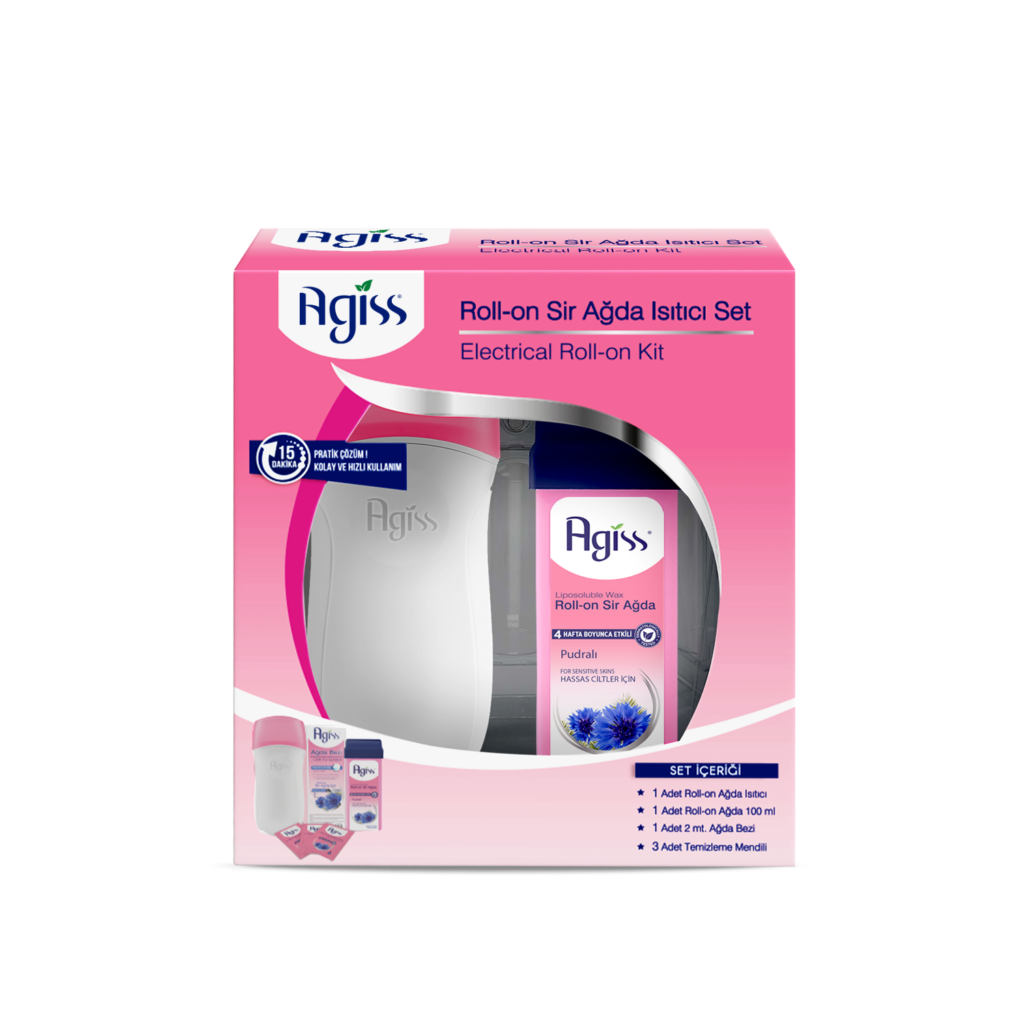
Ready-to-use strips can be practical for users who want a waxing format with minimal preparation. AGISS offers different formats for the face, body, and selected skin types. Choose the correct strip for both the treatment area and your skin needs.
Roll-On Wax
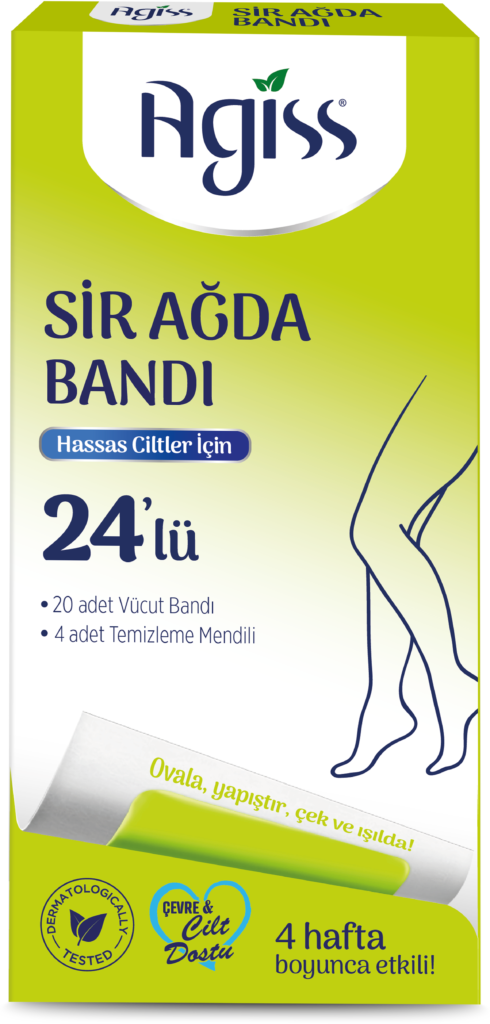
Roll-on wax is designed to spread wax evenly across larger treatment areas as part of a structured system. It requires a compatible warmer, epilation cloth, and correct application and removal technique.
Hard Wax Systems
Hard wax requires careful heating, temperature testing, and controlled application. Never apply overheated wax, and do not use heated wax on irritated, broken, or sunburned skin.
Explore the AGISS hair removal collection to compare available formats.
Common Waxing Aftercare Mistakes
- Taking a very hot shower immediately: choose lukewarm water and keep cleansing gentle.
- Applying too many products: layering oils, fragranced lotions, and active products may overload sensitive skin.
- Scrubbing away redness: redness cannot be scrubbed away, and aggressive exfoliation may make discomfort worse.
- Wearing tight clothing: constant rubbing can make the treated area less comfortable.
- Waxing irritated skin: do not wax skin that is broken, sunburned, or visibly irritated.
- Ignoring instructions: temperature, timing, permitted areas, and precautions vary between products.
Frequently Asked Questions About Waxing Aftercare
How long does redness last after waxing?
Mild temporary redness can occur after waxing and should gradually settle. If redness or swelling lasts more than two days, becomes severe, or is accompanied by significant pain, blistering, pus, or discharge, consult a qualified healthcare professional.
Can I shower immediately after waxing?
You can clean the area gently when necessary, but avoid very hot water, aggressive rubbing, and heavily fragranced products. A lukewarm shower is generally more comfortable for freshly waxed skin.
Can I apply body lotion after waxing?
A gentle moisturizer may be used when appropriate for your skin. Choose a simple formula and apply it without rubbing the treated area aggressively.
Can I exfoliate on the same day as waxing?
Avoid exfoliating immediately after waxing. Wait until the skin feels calm and has returned to its normal condition before gradually restarting exfoliation.
How long should I avoid hot baths and saunas?
Avoid excessive heat during the first 24 to 48 hours, depending on the treated area and how your skin responds. Follow any specific guidance supplied by your waxing professional or product manufacturer.
What should I do if waxed skin feels hot?
Apply a clean, cool compress gently for a short period. Do not place ice directly on the skin. Avoid additional heat and allow the area time to settle.
When should I seek professional advice?
Seek advice from a qualified healthcare professional if you experience severe pain, blistering, signs of infection, significant swelling, or redness that does not begin to improve.
Final Thoughts
Effective waxing aftercare does not need to be complicated. Treat freshly waxed skin gently, reduce heat and friction, remove wax residue correctly, avoid aggressive exfoliation, and use appropriate products in controlled amounts.
During the first 24 to 48 hours, pay attention to how the treated area feels. Use cool, gentle care when needed and avoid returning too quickly to activities or formulas that may irritate the skin.
From ready-to-use strips to roll-on and hard wax systems, AGISS offers different hair removal formats for different routines and application preferences. Choosing the correct format, following its instructions, and completing the process with appropriate aftercare can help create a more comfortable waxing routine.
Discover AGISS Hair Removal Solutions
Explore AGISS wax strips, roll-on waxes, hard wax systems, cleaning and care products, and professional hair removal solutions developed for different skin needs and routines.
For distributors, importers, wholesalers, and professional partners, discover opportunities to bring the AGISS hair removal range to your market through the international AGIVA distribution network.
Explore AGISS Hair Removal Products or become an AGIVA distributor.